
Trgovina z orodjem: kako izbrati pravo trgovino za vaše potrebe

Izbira prave trgovine z orodjem je pomembna odločitev za vsakega mojstra ali profesionalnega obrtnika. Orodje mora biti kakovostno, cenovno dostopno in ustrezati specifičnim potrebam posameznika. Dobra trgovina ne ponuja zgolj širokega izbora, ampak tudi strokovno podporo in pomoč pri izbiri. Kaj naj ponuja kakovostna trgovina z orodjem? Ko izbirate trgovino, je smiselno preveriti naslednje dejavnike:…
Pnevmatski sistemi so optimalna rešitev za industrijsko učinkovitost

Pnevmatski sistemi so nepogrešljiv del moderne industrije. Z uporabo stisnjenega zraka za pogon različnih naprav omogočajo enostavno avtomatizacijo procesov, povečanje produktivnosti in zmanjšanje stroškov vzdrževanja. Takšni sistemi se pogosto uporabljajo v avtomobilski industriji, pakirnih linijah, gradbeništvu in še mnogih drugih panogah. Spodaj so predstavljeni nekateri ključni elementi pnevmatskih sistemov, ki jih lahko najdete tudi pri…
Naj izberem nizkotemperaturno ali visokotemperaturno toplotno črpalko in kakšna je cena?

Ste se kdaj vprašali, katera toplotna črpalka je prava za vaš dom? Nizkotemperaturna ali visokotemperaturna? Ta odločitev je lahko ključna za vaše udobje in stroške energije. Toplotne črpalke so danes med najbolj priljubljenimi sistemi za ogrevanje in hlajenje domov, a izbira prave med zahteva nekaj razmisleka o vaših potrebah in značilnostih vašega prostora. Temperaturno območje…
Makita – Vodilni ponudnik kakovostnih orodij dostopen povsod po Sloveniji

Podjetje, ki je del globalne mreže Makita, je v Sloveniji postalo priljubljeno med profesionalnimi uporabniki in domačimi mojstri, saj ponuja visoko kakovost in inovativne izdelke za enostavno rabo tudi pri najzahtevnejših projektih. Makita ponuja več kot 1000 različnih orodij, vključno z akumulatorskimi, električnimi in pnevmatskimi orodji. Med priljubljenimi izdelki so vrtalniki, vijačniki, brusilniki, žage in…
Trgovina z orodjem: kako izbrati pravo trgovino za vaše potrebe
Izbira prave trgovine z orodjem je pomembna odločitev za vsakega mojstra ali profesionalnega obrtnika. Orodje mora biti kakovostno, cenovno dostopno in ustrezati specifičnim potrebam posameznika. Dobra trgovina ne ponuja zgolj širokega izbora, ampak tudi strokovno podporo in pomoč pri izbiri. Kaj naj ponuja kakovostna trgovina z orodjem? Ko izbirate trgovino, je smiselno preveriti naslednje dejavnike:…
Pnevmatski sistemi so optimalna rešitev za industrijsko učinkovitost
Pnevmatski sistemi so nepogrešljiv del moderne industrije. Z uporabo stisnjenega zraka za pogon različnih naprav omogočajo enostavno avtomatizacijo procesov, povečanje produktivnosti in zmanjšanje stroškov vzdrževanja. Takšni sistemi se pogosto uporabljajo v avtomobilski industriji, pakirnih linijah, gradbeništvu in še mnogih drugih panogah. Spodaj so predstavljeni nekateri ključni elementi pnevmatskih sistemov, ki jih lahko najdete tudi pri…
Naj izberem nizkotemperaturno ali visokotemperaturno toplotno črpalko in kakšna je cena?
Ste se kdaj vprašali, katera toplotna črpalka je prava za vaš dom? Nizkotemperaturna ali visokotemperaturna? Ta odločitev je lahko ključna za vaše udobje in stroške energije. Toplotne črpalke so danes med najbolj priljubljenimi sistemi za ogrevanje in hlajenje domov, a izbira prave med zahteva nekaj razmisleka o vaših potrebah in značilnostih vašega prostora. Temperaturno območje…
Makita – Vodilni ponudnik kakovostnih orodij dostopen povsod po Sloveniji
Podjetje, ki je del globalne mreže Makita, je v Sloveniji postalo priljubljeno med profesionalnimi uporabniki in domačimi mojstri, saj ponuja visoko kakovost in inovativne izdelke za enostavno rabo tudi pri najzahtevnejših projektih. Makita ponuja več kot 1000 različnih orodij, vključno z akumulatorskimi, električnimi in pnevmatskimi orodji. Med priljubljenimi izdelki so vrtalniki, vijačniki, brusilniki, žage in…
Uvod v podnebne spremembe in njihov vpliv na temperaturo morja

Podnebne spremembe so pomemben dejavnik, ki neposredno vpliva na globalne temperature, vključno s temperaturami morske vode. Povečanje koncentracije toplogrednih plinov v atmosferi povzroča globalno segrevanje, ki posledično vpliva na povišanje temperature morja. Slovensko morje, ki je del Severnega Jadrana, ni izjema. Zaradi svoje majhne površine in specifičnih hidrografskih značilnosti je še posebej dovzetno za vplive…
Uživajte v sončnih Hrvaških destinacijah – Last Minute!

Ko se zima približuje, je najboljši čas, da začnemo iskanje toplejših destinacij za krajši oddih. In kje bi lahko našli boljše zatočišče pred mrazom kot na prijetni Hrvaški obali, ki ostaja sončna čez celo leto? Z bogato zgodovino, slikovitimi plažami, neverjetno kulinariko in prijaznimi ljudmi, je Hrvaška ena izmed najbolj priljubljenih destinacij za vse tiste,…
Zgodovina radia

Radio je naprava, ki je globoko zakoreninjena v zgodovino in kulturo človeštva. Prisoten je v vsakem domu, avtomobilu in celo na mobilnih telefonih. A kako se je vse začelo? V tem članku bomo preučili zgodovino radia, od prvih preprostih naprav do sodobnih digitalnih tehnologij. Prvi valovi: od eksperimentov do prve oddaje Prva resna dela na…
Izkoriščanje moči zraka v industriji
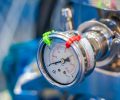
Človek je že dolgo izkoristil moč zraka za izvajanje različnih delovnih nalog. V industriji so pnevmatski ventili ključni element za učinkovito avtomatizacijo različnih procesov. S pomočjo stisnjenega zraka omogočajo natančen nadzor in večjo zanesljivost delovanja raznih strojev in naprav. Možnosti in prednosti uporabe pnevmatskih ventilov Uporaba pnevmatike v industriji je prisotna že desetletja. Medtem ko…
Ogrevalni sistemi: kateri je pravi za vaš dom?

Pri izbiri pravega ogrevalnega sistema za vaš dom je veliko dejavnikov, ki jih je treba upoštevati: energetska učinkovitost, stroški, udobje in okoljski vpliv. Pogosto so to odločitve, ki nas spremljajo vrsto let. V nadaljevanju raziskujemo prednosti in slabosti najpogostejših sistemov ogrevanja, da vam pomagamo pri sprejemanju te informirane odločitve. Energetska učinkovitost vs. stroški Toplotne črpalke…
Toplotne črpalke in njihova izjemna moč ogrevanja in hlajenja

Toplotne črpalke postajajo vse bolj priljubljene, saj cene energije rastejo, podnebje je čedalje bolj nepredvidljivo, ljudje pa se ob tem vse bolj zavedajo prednosti, ki jih le-te ponujajo. Toplotne črpalke so tako vse pogostejša rešitev za ogrevanje in hlajenje, deloma zaradi svoje prilagodljivosti pri zagotavljanju ogrevanja in hlajenja, pa tudi, ker predstavljajo izjemno energetsko učinkovito…